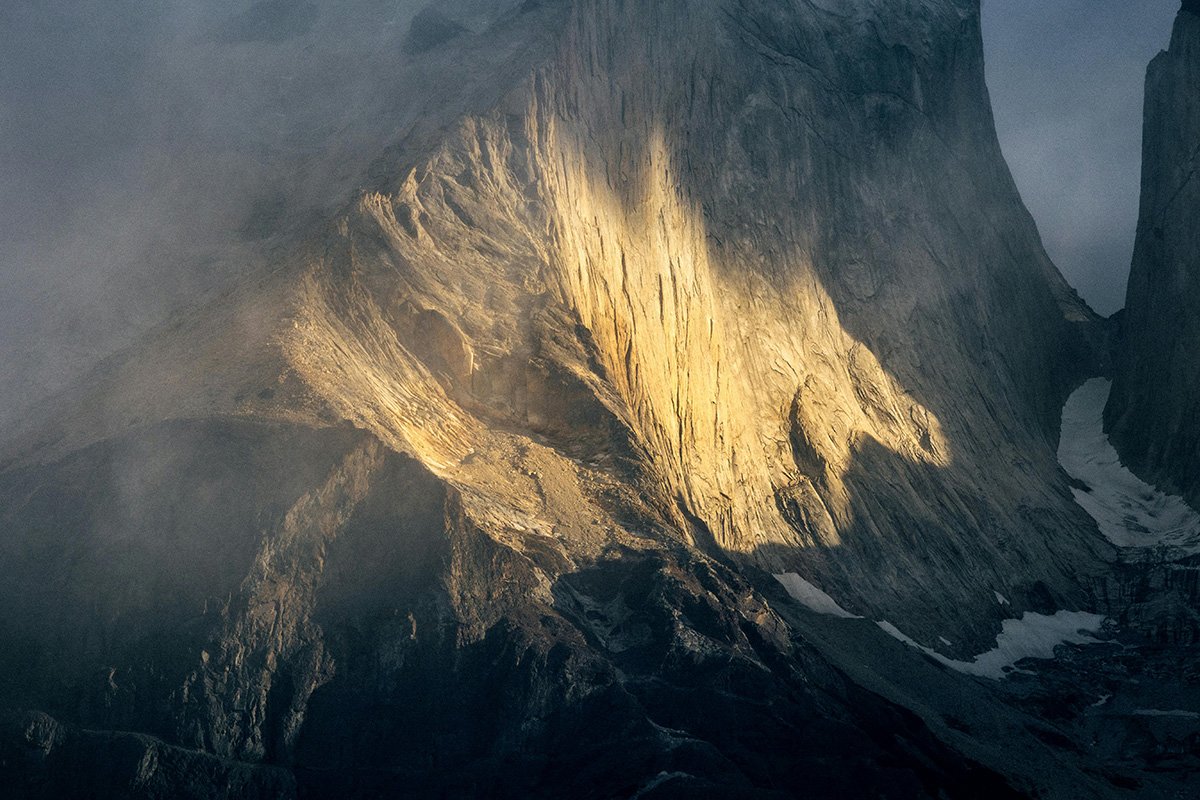
Chilean Patagonia

Torres del Paine and surrounding areas

photograph paine massif torres del paine patagonia
Photograph Paine Massif Torres del Paine Patagonia

Patagonia, a region shared by Chile and Argentina at the end of the world, is an untamed and extraordinary territory. Its unpredictable climate, rugged mountains, glaciers, and hurricane-force winds create a dramatic landscape where any activity becomes an adventure.

Since its discovery, Patagonia has drawn the world’s best alpinists. Iconic and demanding climbs challenge all who attempt them, requiring respect, experience, and commitment.

For us, after more than a decade exploring these mountains, Patagonia remains infinite: wild, unpredictable, and always inviting us to push our limits.

November to March

Rock Climbing

Laguna Sofia

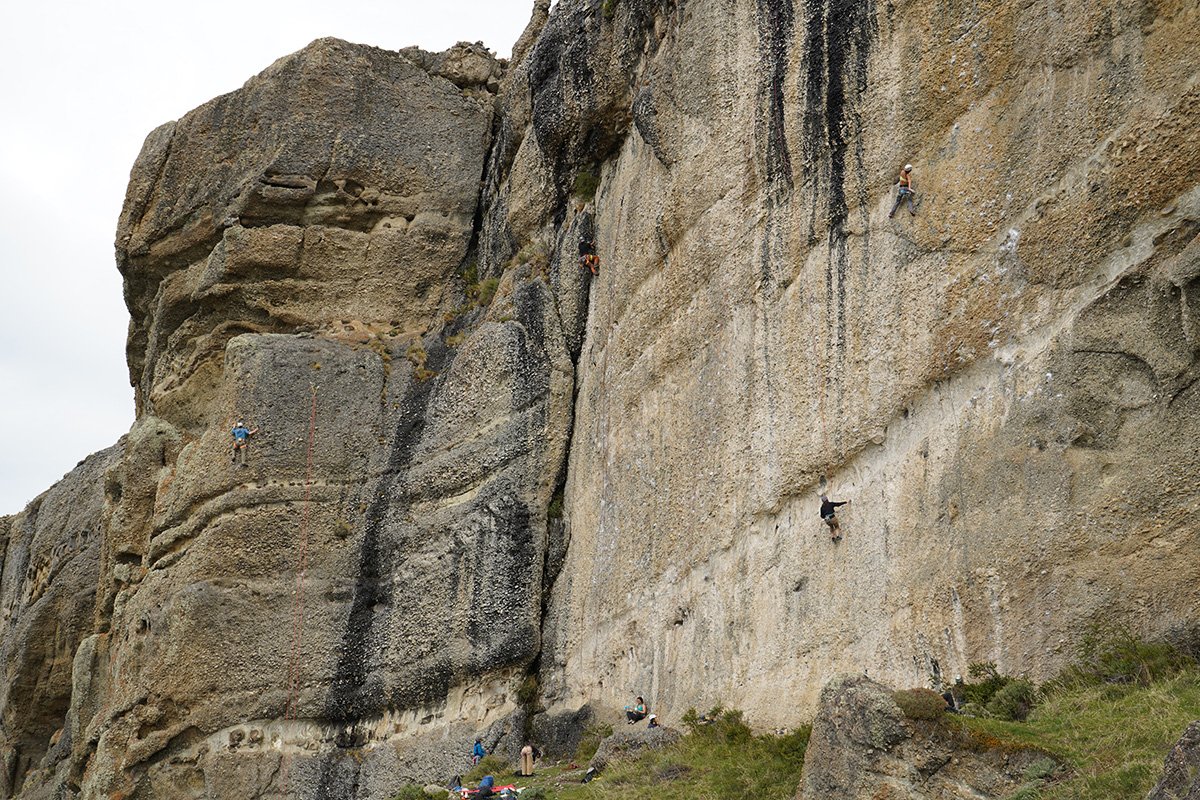
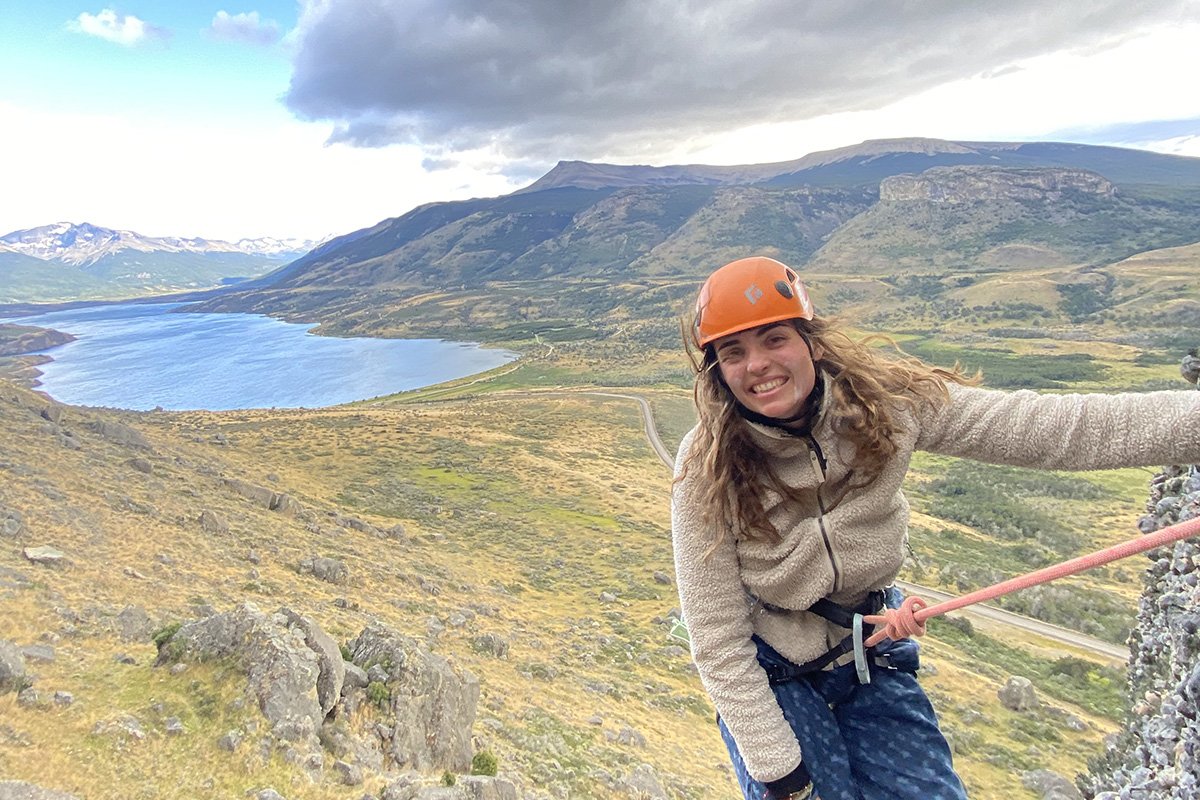
Laguna SofĂ­a is located on Cerro BenĂ­tez, just 25 km from Puerto Natales. It is one of the best places to learn and practice sport climbing on rock, surrounded by an impressive mountain landscape and the beautiful Laguna SofĂ­a. From there, you can enjoy the majestic flight of the condors that inhabit the area.

This sector has more than 100 climbing routes with difficulty ratings from 5.6 to 5.13+ on the American scale. During the activity, you climb several single-pitch routes. The guide places all the protection and sets up the top rope. The rock is a sedimentary conglomerate, and the single-pitch routes range from 8 to 30 meters.

The excursion begins and ends in Puerto Natales, with passengers picked up at their accommodations.
November to March

Hiking

Tenerife Mountain
Cerro Paine
Mount Ferrier
Cerro Castillo

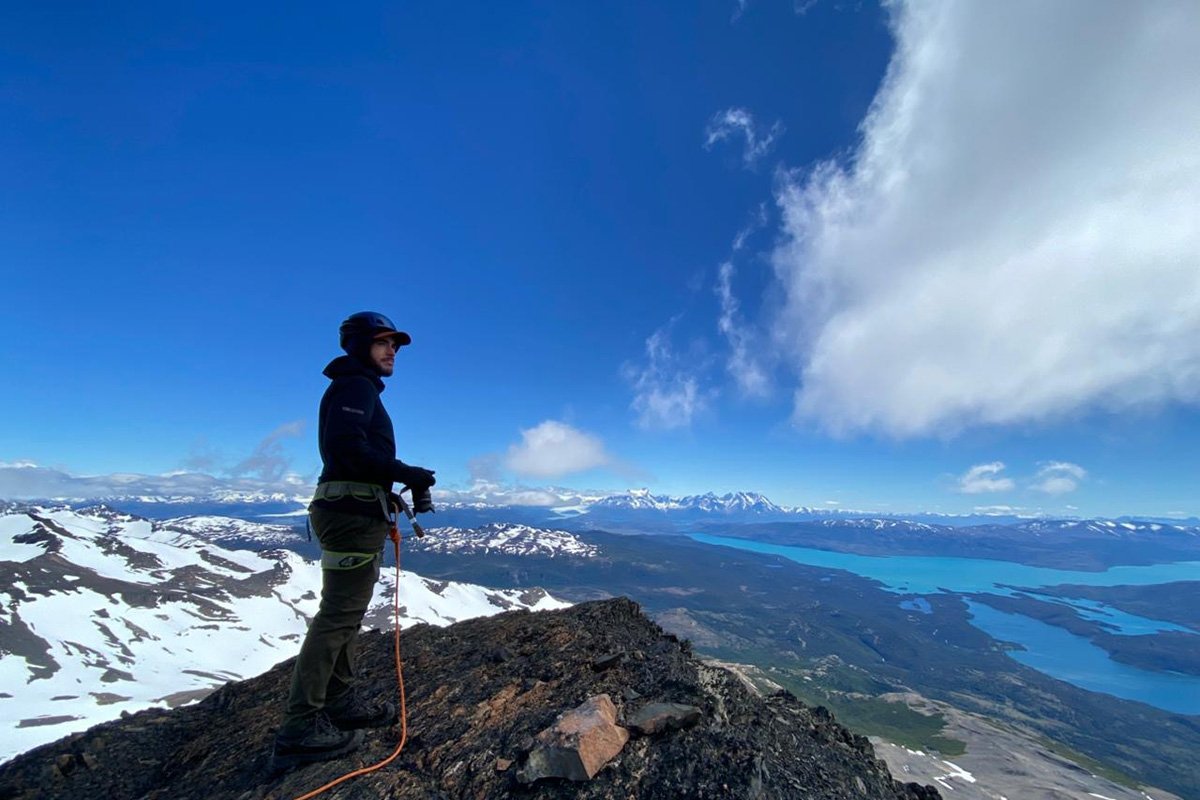
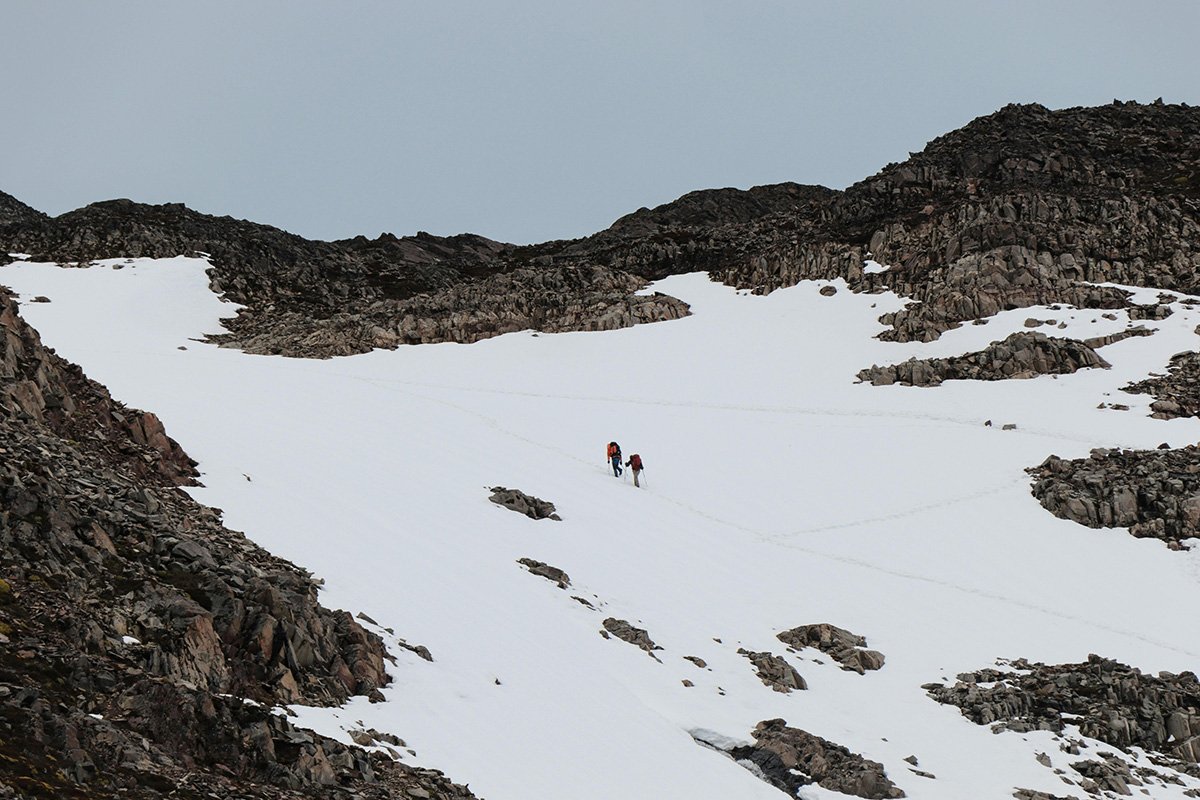
Mount Tenerife, located 50 km northwest of Puerto Natales, rises to 1,650 meters and offers accessible trekking, ideal for exploring Patagonia. The ascent through scrubland and forests is easy in summer, while in winter it requires crampons. From the summit, panoramic views include the pampas, glaciers, and Lakes Porteño and Toro.

This mountain stands out for its small glacier on the west slope, ideal for ice traverses. Its name honors the first family in the area during colonization from Tenerife, Spain. Considered a “school mountain” for its accessibility, it is perfect for starting mountain trekking.

Cerro Paine, located north of Hostería Las Torres in Torres del Paine National Park, is the highest summit in the eastern Ascensio River valley. Its 1,400-meter elevation gain makes the hike challenging yet accessible. The summit rewards climbers with spectacular views of the Torres del Paine, Laguna Azul, Lakes Sarmiento and Nordensjköld, and the Patagonian steppe.
 
The route is steep and windy, with loose gravel and exposed sections. It begins at HosterĂ­a Las Torres and ascends through a faintly marked, generally discernible trail in a lenga forest. This is one of the most emblematic summits in the area.
Mount Ferrier in the Chilean Patagonia is an emblematic 2,435-meter summit accessible year-round. Conditions vary by season: spring brings snow and moderate cold; summer offers warmer temperatures but intense, unpredictable winds; autumn presents stable weather with cold, sunny days; winter is surprisingly stable, with less wind but very low temperatures.
 
The trek requires good physical condition for the steep terrain, but it is not technically extreme and can be enjoyed with basic mountain experience. It offers panoramic views of the Patagonian steppe and glaciers, making it ideal for those seeking a moderate challenge or wanting to enjoy the natural beauty of Patagonia.

Cerro Castillo, in Chile’s Magallanes Region, is an imposing Patagonian mountain. It is known for its castle-like shape. At an altitude of 2,300 meters, it offers challenging yet not extremely technical trekking. This makes it ideal for hikers with basic experience. The trail traverses forests, valleys, and glacial lagoons. It provides panoramic views of glaciers and the Patagonian steppe.

You can trek Cerro Castillo year-round, though summer (November to March) offers the most favorable weather. The Patagonian climate can change rapidly, so be prepared for adverse conditions. The ascent requires considerable elevation gain, so bring proper equipment. Along the route, you may spot local fauna such as condors and guanacos. Trekking Cerro Castillo lets you explore Chilean Patagonia.

All our experiences of sport climbing and hiking

  • Included full equipment (Climbing equipment, crampons if necessary, helmet, and poles for hiking), transportation from Puerto Natales, and a bilingual guide.
  • Adequate physical fitness and health appropriate for the activity are required. If in doubt, consult our team.
  • Bookings from one traveler.
  • Activities are subject to weather conditions.
  • Daily departures, full-day duration.
  • Travel insurance for adventure activities and meals is not included.
November to March

Alpine Climbing

Torres del Paine
Shark’s Fin
Almirante Nieto
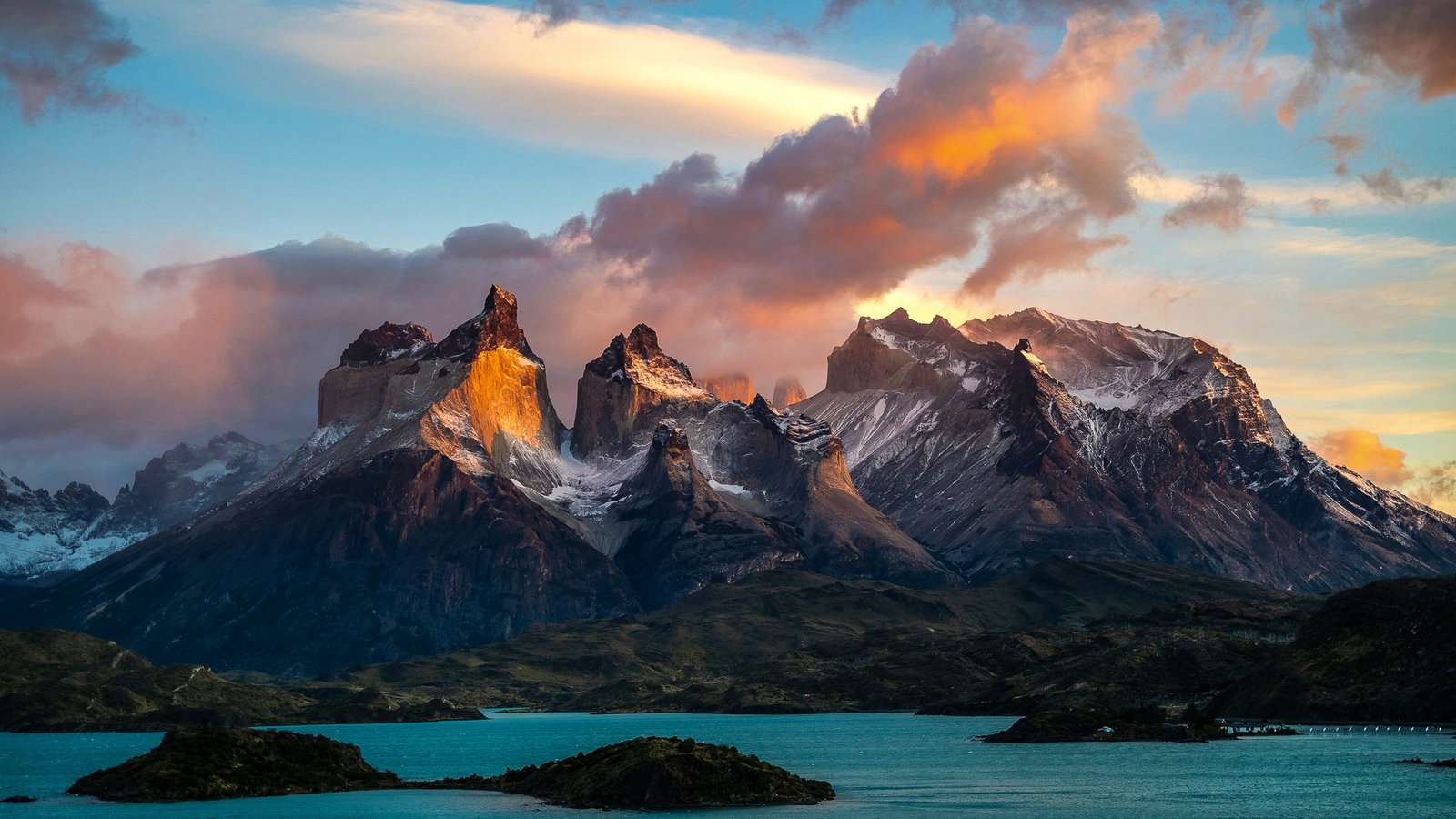
Cuernos del Paine

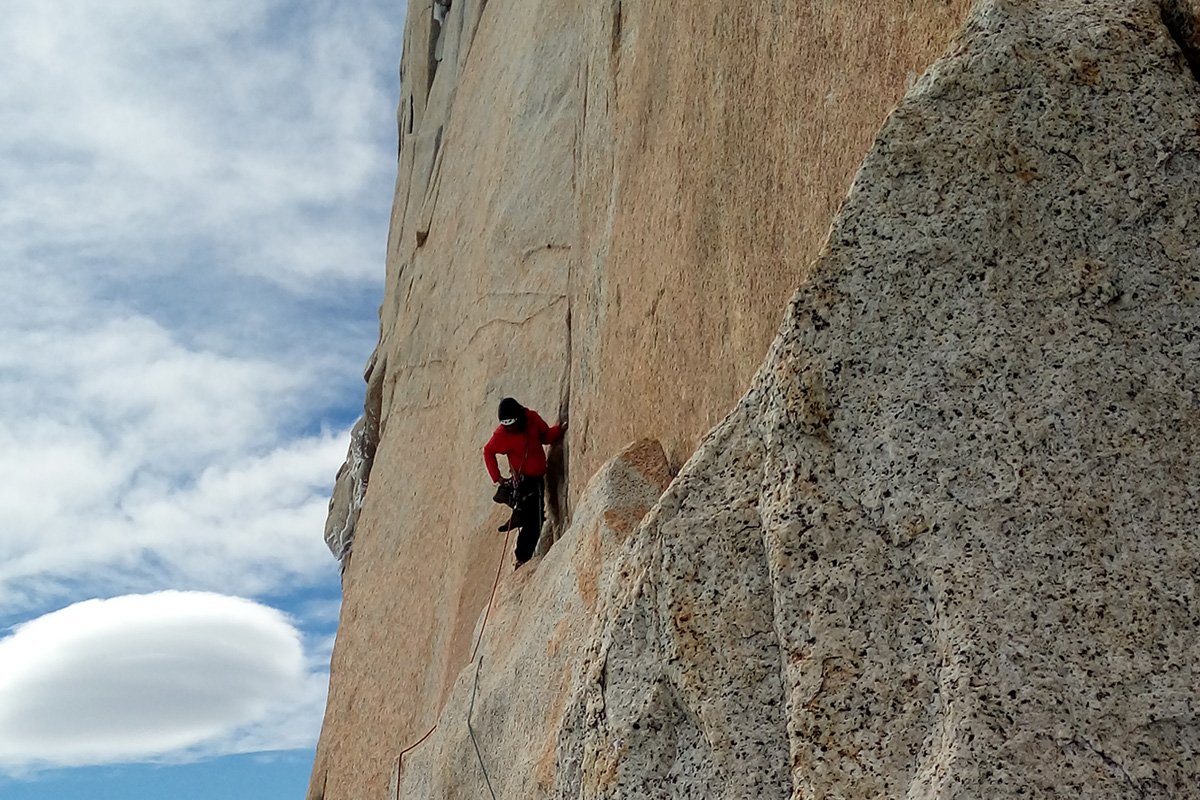
Torres del Paine: three iconic granite towers known for legendary climbs.

Torre Norte: 2.240 m. Best-known route: Monzino Route (400 m). Pitches up to 5.10. Duration: 4 days. Difficulty: moderate.

Torre Central: 2,460 m. Bonnington-Williams Route (900 m, up to 5.11, high, 5 days).

Torre Sur: 2,500 m. Main route (900 m, up to 5.11, high, 5 days).

  • All activities require basic sport skills assessed by the guide.
  • Weather conditions are key to activities.

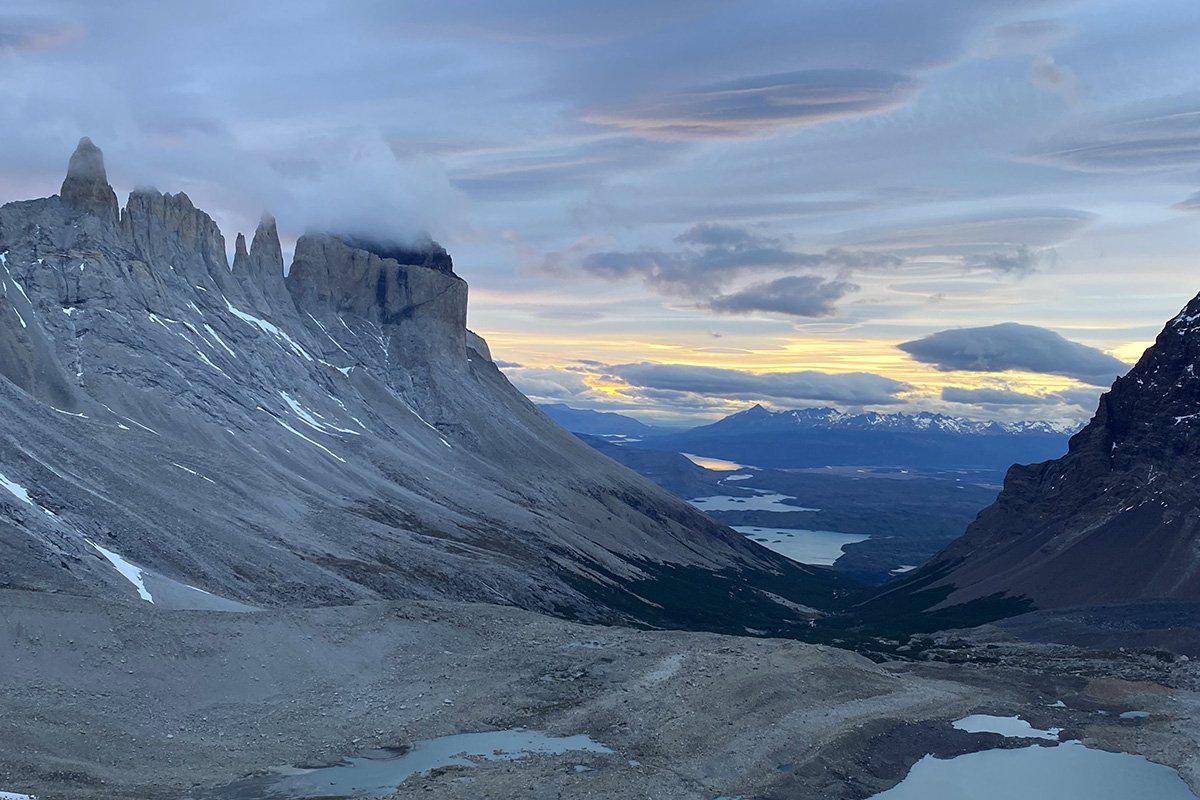
Shark’s Fin: 1,800 m. Main route (up to 5.9, moderate, 4 days). Located in the French Valley, ideal for a first alpine adventure in Patagonia.

  • All activities require basic sport skills assessed by the guide.
  • Weather conditions are key to activities.

Almirante Nieto: 2.670 m. Route: Best viewpoint of the Towers, ideal as a first park adventure. Duration: 4 days. Difficulty: moderate.

  • All activities require basic sport skills assessed by the guide.
  • Weather conditions are key to activities.

Cuernos del Paine: 2.110 m. One of the park’s most spectacular formations, with its characteristic black summit and stunning granite walls. Pitches up to 5.10. Duration: 4 days. Difficulty: moderate.

  • All activities require basic sport skills assessed by the guide.
  • Weather conditions are key to activities.
Alpine Climb programs

Itinerary:

Includes

Limited to 8 guests
  • 2 UIAGM-certified local guides;
  • Private ground transportation throughout the trip;
  • Safety review for avalanche and mountain conditions.

Not include

Airfare; Accommodation; Meals; Equipment and Travel Insurance.


Day 1 - Check-in Meeting

In an adventure expedition in the Chilean Andes, an initial technical orientation session is required where participants receive instructions on mountain safety, specific techniques, and emergency protocols before beginning the main activities.


Day 2 - Training

In an adventure expedition in the Chilean Andes, a training session or technical orientation is necessary so that participants receive instructions on mountain safety, techniques, and emergency protocols before beginning the main activities.


Day 3 to 10 - Activities

From day 3 to 10, we will develop our activities. We will explore the maximum number of options available according to the technical level of the group. Every day, we pick up and drop off our travelers directly at their hotel.


Location and access:

The Torres del Paine National Park is located in the extreme south of Chile. It is approximately 150 km from Puerto Natales (with direct 3-hour flights from Santiago) and 312 km from Punta Arenas (with direct 3.5-hour flights from Santiago). From Punta Arenas to Puerto Natales, there is a bus service with a duration of 3 hours.


Program Duration:

10 days / 9 nights.


Weather and best seasons::

The climate is highly variable and unpredictable, characterized by strong winds (reaching up to 100 km/h, with gusts of 150-180 km/h on the ridges), frequent rainfall, snow, and fog. The high season runs from November to March, with brief periods of favorable weather.

*Go Big Experience. (2025). South Of Chile. IA + humano and verified by the technical team.
Ready to climb perfect lines in Patagonia?
Get Contact