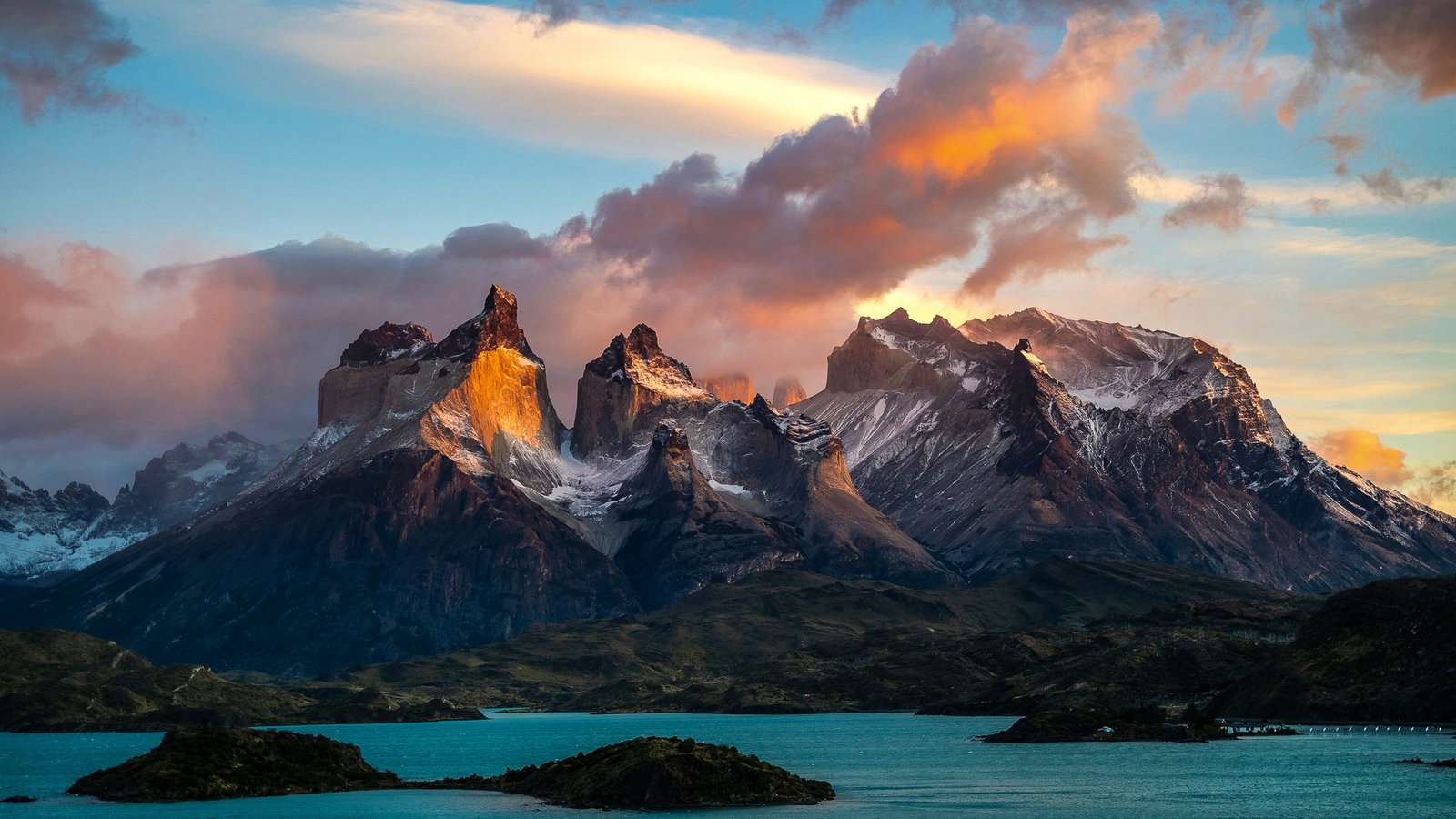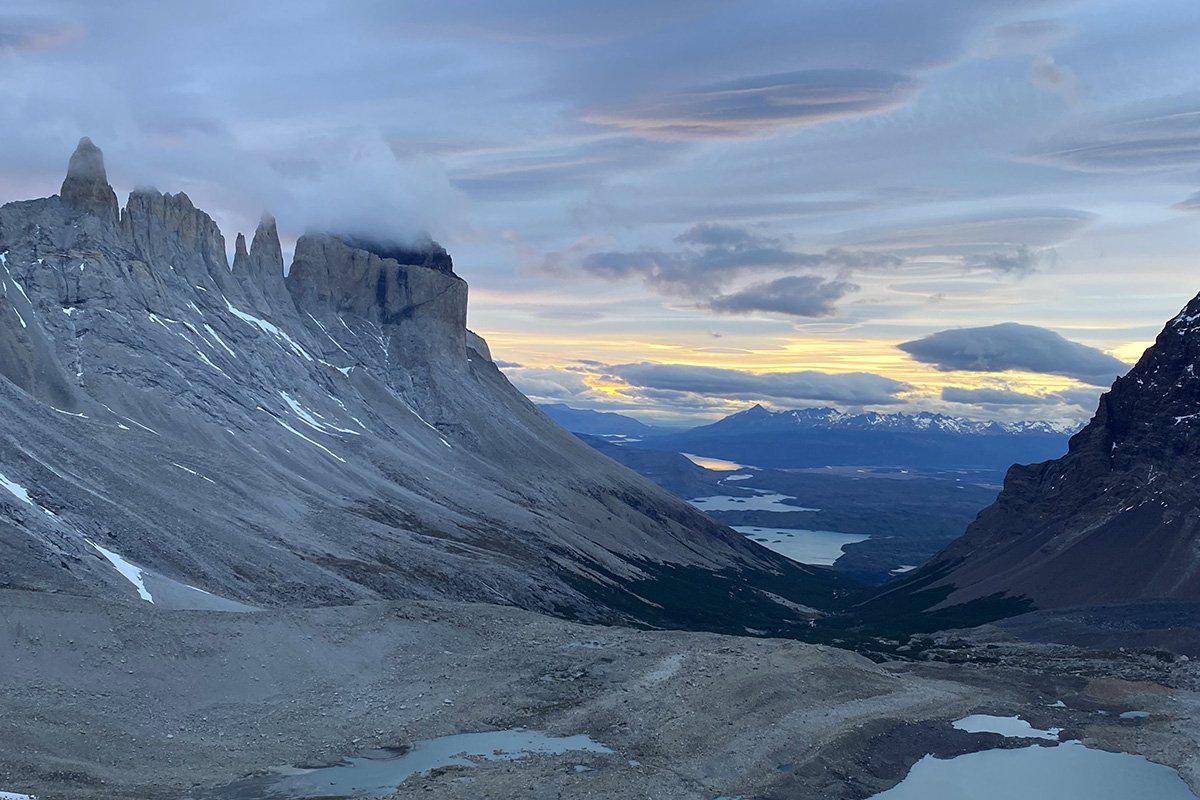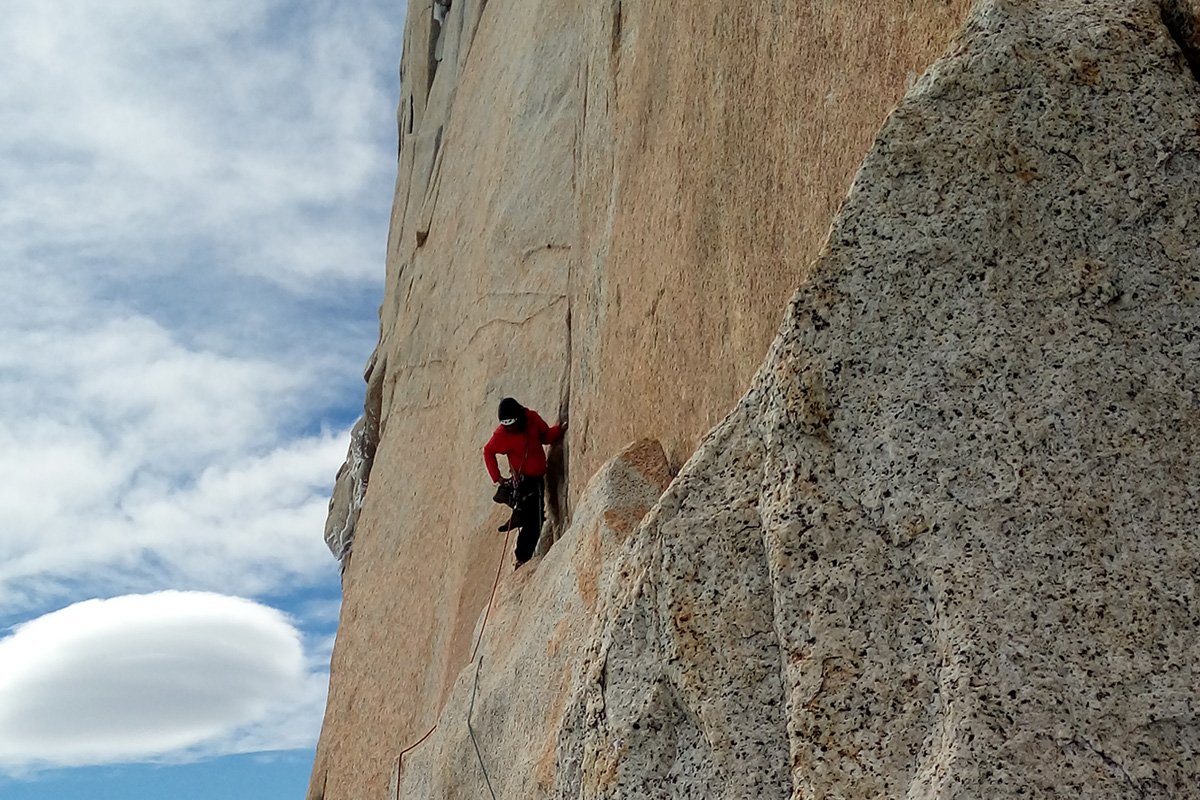
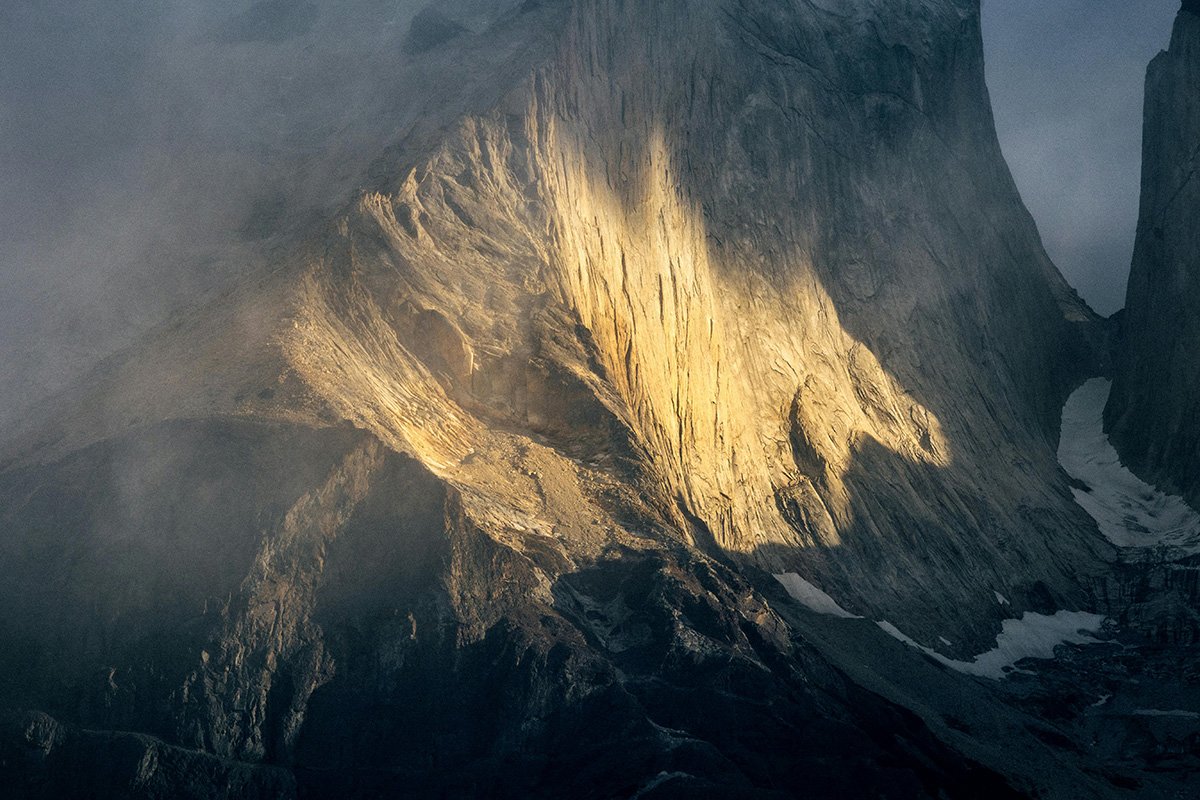
Patagonia, a region shared by Chile and Argentina at the end of the world, is an untamed and extraordinary territory. Its unpredictable climate, rugged mountains, glaciers, and hurricane-force winds create a dramatic landscape where any activity becomes an adventure.
Since its discovery, Patagonia has drawn the world’s best alpinists. Iconic and demanding climbs challenge all who attempt them, requiring respect, experience, and commitment.
For us, after more than a decade exploring these mountains, Patagonia remains infinite: wild, unpredictable, and always inviting us to push our limits.
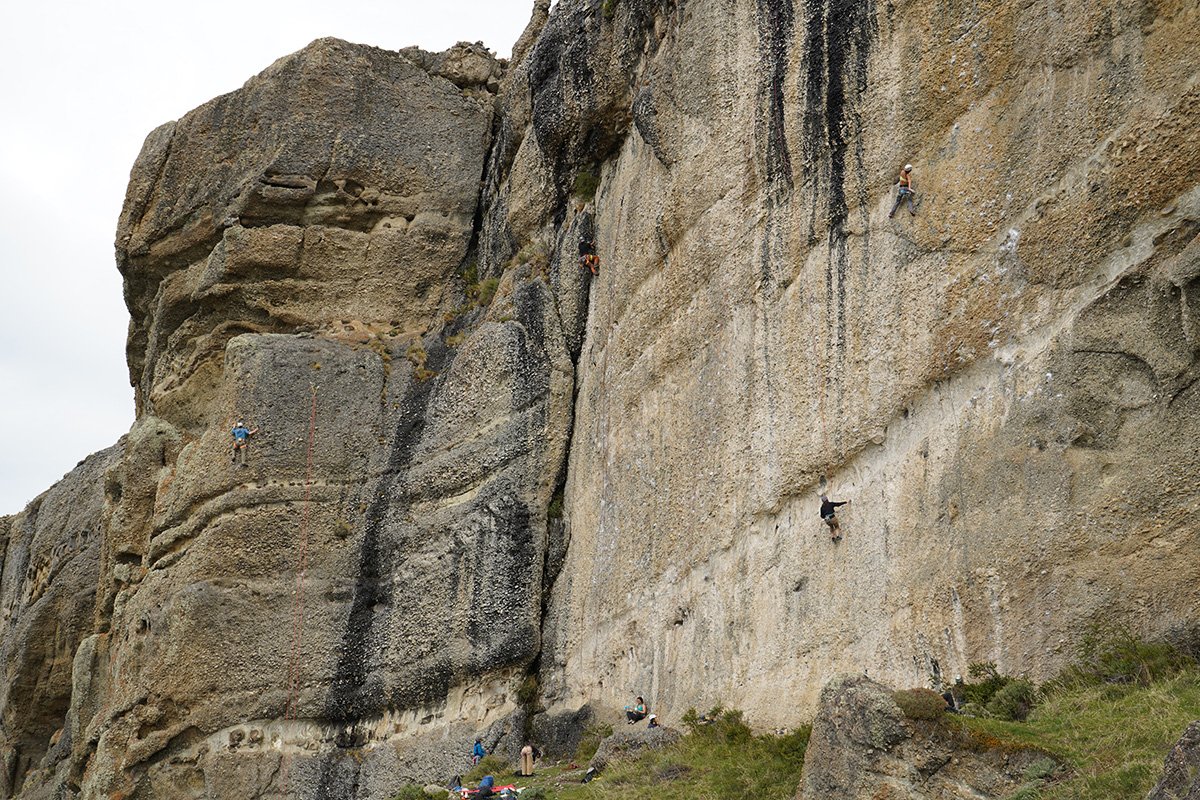
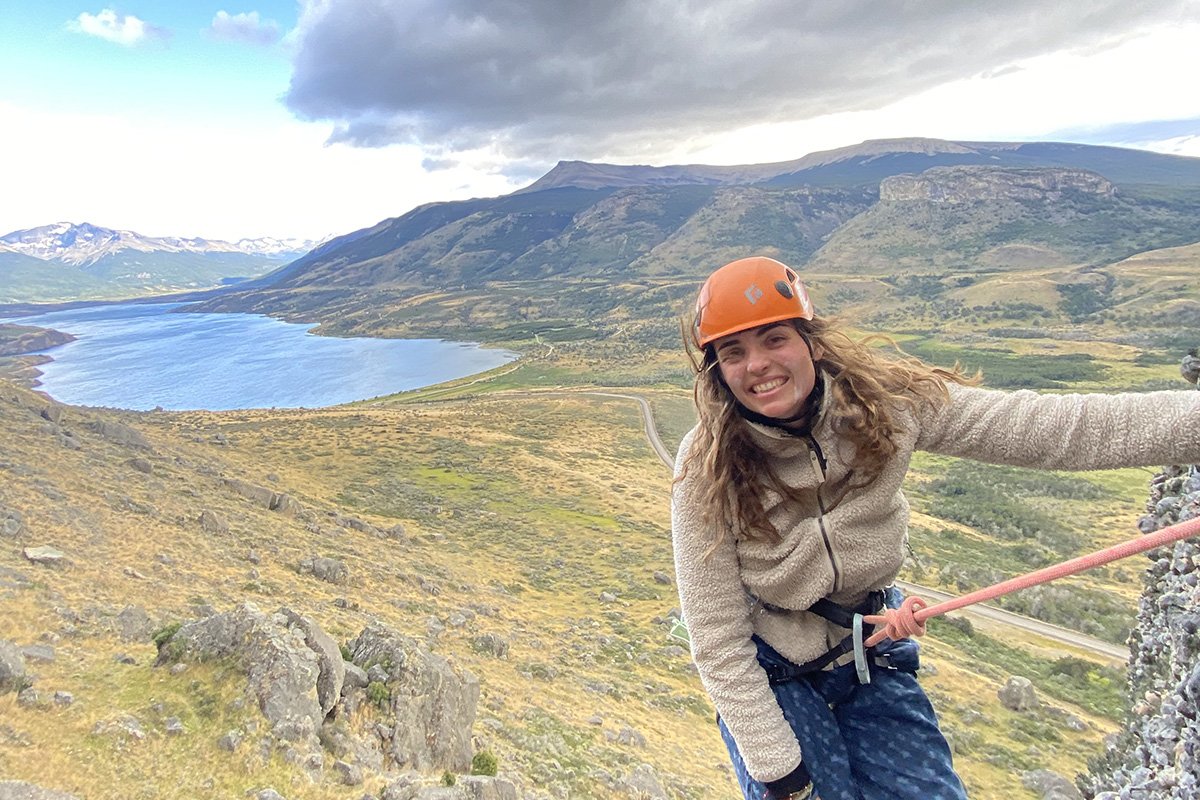
Laguna Sofía is located on Cerro Benítez, just 25 km from Puerto Natales. It is one of the best places to learn and practice sport climbing on rock, surrounded by an impressive mountain landscape and the beautiful Laguna Sofía. From there, you can enjoy the majestic flight of the condors that inhabit the area.
This sector has more than 100 climbing routes with difficulty ratings from 5.6 to 5.13+ on the American scale. During the activity, you climb several single-pitch routes. The guide places all the protection and sets up the top rope. The rock is a sedimentary conglomerate, and the single-pitch routes range from 8 to 30 meters.
The excursion begins and ends in Puerto Natales, with passengers picked up at their accommodations.
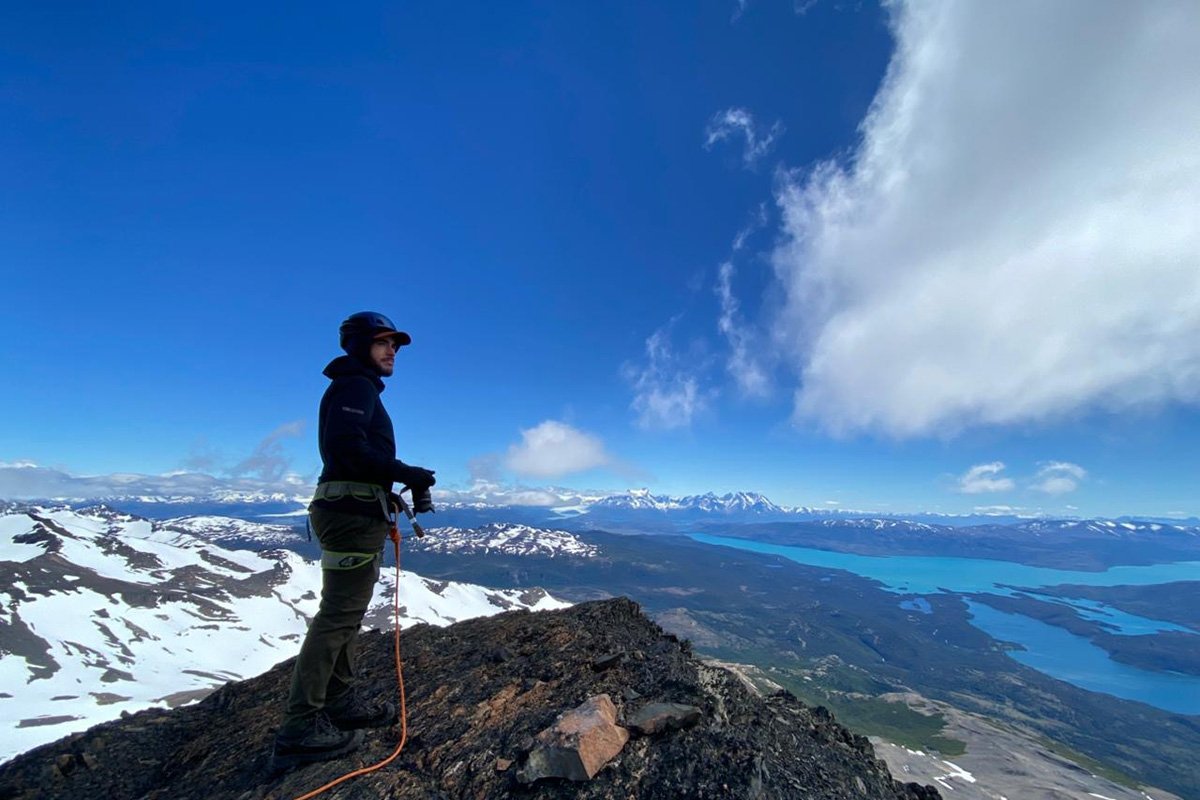
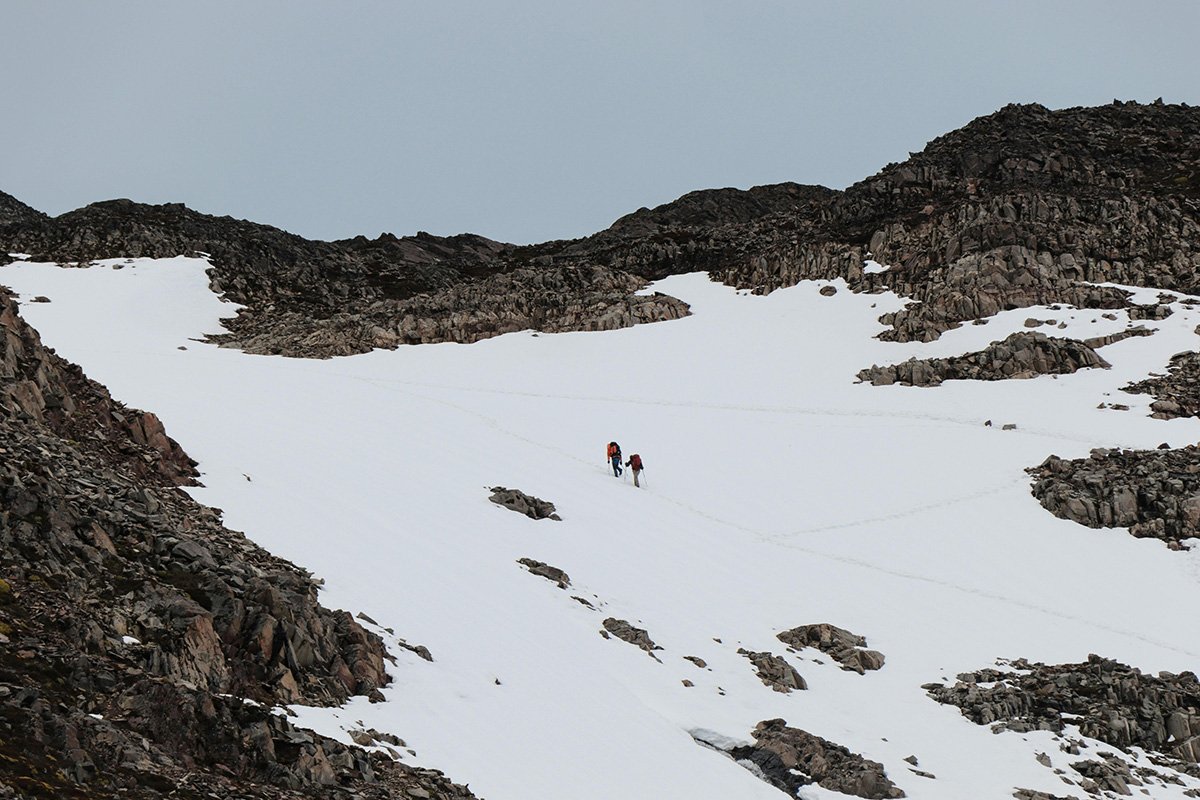
Mount Tenerife, located 50 km northwest of Puerto Natales, rises to 1,650 meters and offers accessible trekking, ideal for exploring Patagonia. The ascent through scrubland and forests is easy in summer, while in winter it requires crampons. From the summit, panoramic views include the pampas, glaciers, and Lakes Porteño and Toro.
This mountain stands out for its small glacier on the west slope, ideal for ice traverses. Its name honors the first family in the area during colonization from Tenerife, Spain. Considered a “school mountain” for its accessibility, it is perfect for starting mountain trekking.
Cerro Castillo, in Chile’s Magallanes Region, is an imposing Patagonian mountain. It is known for its castle-like shape. At an altitude of 2,300 meters, it offers challenging yet not extremely technical trekking. This makes it ideal for hikers with basic experience. The trail traverses forests, valleys, and glacial lagoons. It provides panoramic views of glaciers and the Patagonian steppe.
You can trek Cerro Castillo year-round, though summer (November to March) offers the most favorable weather. The Patagonian climate can change rapidly, so be prepared for adverse conditions. The ascent requires considerable elevation gain, so bring proper equipment. Along the route, you may spot local fauna such as condors and guanacos. Trekking Cerro Castillo lets you explore Chilean Patagonia.
The Torres del Paine National Park is located in the extreme south of Chile. It is approximately 150 km from Puerto Natales (with direct 3-hour flights from Santiago) and 312 km from Punta Arenas (with direct 3.5-hour flights from Santiago). From Punta Arenas to Puerto Natales, there is a bus service with a duration of 3 hours.
10 days / 9 nights.
The climate is highly variable and unpredictable, characterized by strong winds (reaching up to 100 km/h, with gusts of 150-180 km/h on the ridges), frequent rainfall, snow, and fog. The high season runs from November to March, with brief periods of favorable weather.
*Go Big Experience. (2025). South Of Chile. IA + humano and verified by the technical team.